
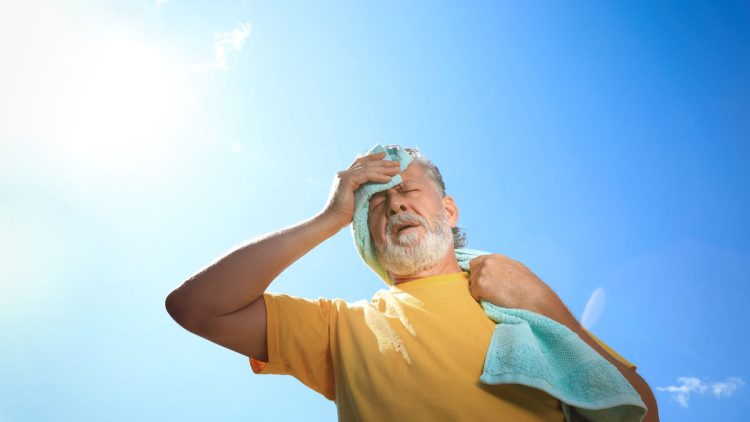
Heat And the Elderly
Those aged 65 years or older are more at risk throughout excessive heat due to physiological changes related to aging, including reduced capability to regulate body temperature and possible medication interaction. Knowledge of these and taking preventive measures is vital for safeguarding older adults during hotter months.
Individuals aged 65 years or older are at higher risk to heat-related health issues. For those that are older, health complications like cardiovascular issues can worsen the effects of excessive heat. Adults that require life-sustaining devices could be unreasonably impacted through power outages that typically accompany excessive heat events.
Furthermore, those that require constant access to prescription medications, oxygen, or other consumable medical resources might feel uncomfortable leaving their homes in the course of heat waves. Many older adults might also be using prescription medications that impact their ability to heat regulate or that hinder nerve impulses, either one of which increases risk from thermal extremes (CDC). In addition, specific conditions, like different kinds of dementia, can also decrease an individual’s likelihood of taking self-protective actions through excessive heat situations.
Older adults are also more probable to be isolated socially than other groups, as they may not go into work as they used to and/or might lack other community involvement. Empirical research has shown the increased risk of mortality and morbidity because of excessive heat among older people.
Concentrated pockets of older residents could put additional pressure on first responders and healthcare facilities throughout excessive heat in these locations. Finally, urban settings, with towering buildings and the urban heat dome effect, could increase the risk of heat related illness considerably, yet rural settings have aspects like being isolated socially and absence of transportation or safety measures.
The initial step to address the risk of heat related illness among older adults is to understand where they reside. Elderly residents might also be less probable to have or use A/C units due to the cost of running them. The US Department of Health and Human Services Low Income Home Energy Assistance Program (LIHEAP) can help with this matter.
Tips for older adults include:
- Do not stay home by yourself through a summer power outage or an excessive heat situation, particularly if your home does not have A/C.
- Be sure a dependable friend or family member has an extra key to your home, has knowledge of where you keep your supplies for emergencies, and can use lifesaving devices or administer medication.
- Regularly drink fluids (water is best) to avoid getting dehydrated and/ or overheated. Speak with your healthcare provider about whether you require fluids with additional electrolytes in the heat.
- Be cautious with the amount of time you’re spending outdoors. Take frequent breaks in A/C to cool off, and drink fluids that don’t contain any caffeine.
Retirement Community In Surprise, AZ
Chaparral Winds is a beautiful, assisted living community near Sun City, AZ. Being able to socialize with other residents becomes an integral part of many peoples’ lives and Chaparral Winds Assisted Living offers common indoor space to support that need. If a resident requires assistance moving from a bed to a wheelchair or vice versa, this facility has staff who can help.
Address: 16623 N W Point Pkwy, Surprise, AZ 85374
Phone: (623) 975-0880